Temporary Fencing Rental
Construction Fencing Dogs rents temporary chain-link fencing for construction sites, barricades, commercial projects, and events. You tell us the linear footage, whether the run should be weighted or post-driven, and how long you need it. A crew delivers the panels, stands them up, and takes them away when the rental ends.
Panel types
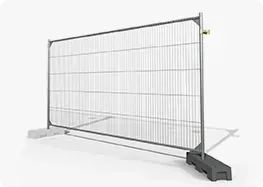
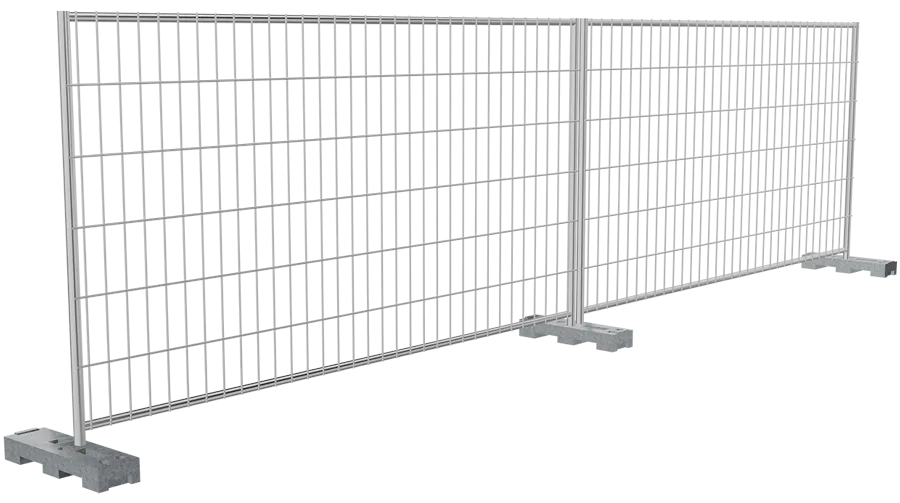
The standard panels are chain link, in 6-foot and 8-foot heights, with heavy-duty bases. The quote form has two rental types: construction and barricade. Construction runs are the usual site perimeter. Barricade runs are the same panel system used to close off an area, a sidewalk edge, or a work zone. Both are ordered by linear feet, not by a fixed package size, so a short gate run and a full block perimeter start from the same products.
Panels can be laid out around utilities, trenches, drop-offs, and other boundaries that are not a clean rectangle. If the work moves, the crew can relocate, reconfigure, or add panels during the rental instead of leaving the original line in place for the whole job.
Stands, bases, and bracing
Weighted fencing sits on stands or bases on top of the ground. Post-driven fencing is set into the ground. If you are not sure which the surface can take, choose Unsure on the quote form and describe the ground in the project details.
High-wind sites and uneven ground can add sandbags, T-stands, braces, or other support beyond the standard bases. Those are the stabilization options already listed for high-wind and high-traffic sites. Tell us if the fence will sit on pavement, soil, or a slope so the base matches the surface.
Privacy screens and windscreens
Privacy screens attach to the chain-link panels. On job sites they are often called windscreens: a fabric or mesh cover that blocks sightlines through the fence and cuts the wind passing through the mesh. They are optional. Ask for them on the quote if the site needs screening from a street, a neighbor, or an active public edge.
Screens do not replace bracing. A tall screened run catches more wind than open mesh, which is why sandbags and braces are part of the same conversation as the screen.
Gates
A closed perimeter still has to let people and equipment through. Swing gates, vehicle access gates, lockable options, and other entry layouts are available. The useful detail is the opening width: a pickup, a delivery truck, and a crew door are not the same gap. Put that width in the project details so the gate is planned with the panels instead of cut in later.
Delivery, installation, and removal
The crew handles loading, transport, installation, and removal. You get a site contact window and a confirmation. Project managers do not need to supply labor unless the site needs special equipment access. Most installations are completed within 24 to 48 hours, depending on the size of the run and the location. Emergency and same-day deployments may be possible when a crew is available. That is scheduling, not a promise that every request leaves the same day.
When the rental ends, the same crew picks the fence up. If a panel is damaged by on-site work, the project manager is responsible for that damage. Damaged panels can be replaced, and the repair or replacement is billed with the details of what happened.
If your job has a site plan, send the linear footage and the layout you need. The fence can be configured around the safety plan, including OSHA requirements or local rules that apply to the project. Permit paperwork, when the job needs it, can be part of that conversation. Requirements differ by city, so the quote is tied to the delivery address rather than a single national rule.
Common uses
Temporary fencing is used wherever a site has to be marked off and controlled for a while, then cleared. Typical uses are construction perimeters, barricades, commercial projects, and events. A commercial site might need a screened line along a sidewalk plus a lockable vehicle gate. A barricade run might only need to close one edge of a work zone. An event might need a short run and a staff entrance. The products are the same panels, stands, screens, and gates. The layout is what changes.
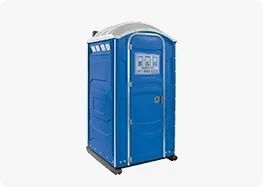
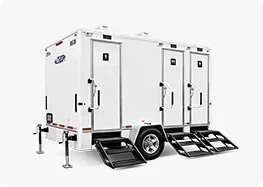
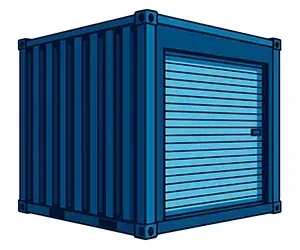
The quote form can also bundle portable toilets, dumpsters, or storage containers with the fence when the site needs them at the same time. Those are separate rentals. The fence quote still starts with linear feet, weighted or post-driven, and the dates you have.
How a quote works
Pricing is based on linear footage, how long the fence stays, and add-ons such as screens, gates, or extra bracing. Long-term or high-volume projects may qualify for reduced weekly or monthly rates. There is no price list on this page. Submit the quote form with the delivery address and, if you have them, the footage and the date. A specialist follows up, typically within an hour during business hours, or calls if something in the request needs a closer look.
More answers, including damage, phased schedules, and site layout, are on the support and FAQ page.